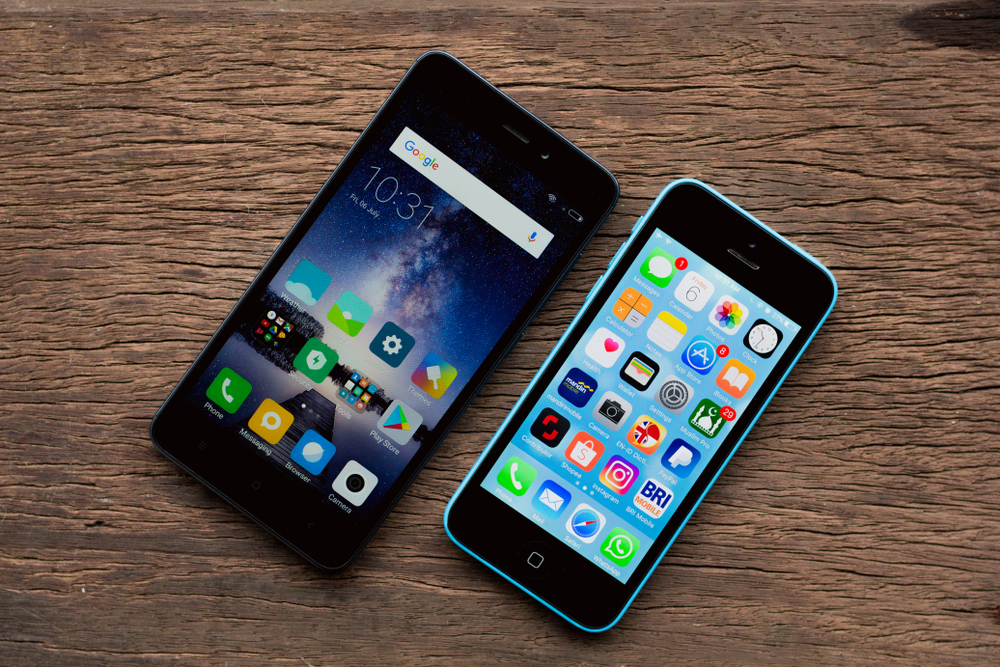
With the ever-increasing popularity of smartphones and tablets, mobile apps have become an essential part of our daily lives. Whether it's for entertainment, productivity, or staying connected, there seems to be a mobile app for just about everything. However, with millions of apps in the app stores, it's becoming increasingly challenging for developers to get their app noticed. That's why mastering mobile App Store or Google Play app marketing is crucial for success.
The Importance of Mobile App Marketing
A mobile app can have all the features and functionalities in the world, but if it doesn't reach the right audience, it's likely to go unnoticed. Effective app marketing is essential to create awareness, drive app downloads, and ultimately increase user engagement and retention. Without a strategic marketing plan in place, even the best mobile Android or iOS app s may fail to gain traction in the crowded app marketplace.
Tips for Effective Mobile App Promotion
1. Define Your Target Audience
Before diving into app promotion, it's crucial to identify your target audience. Understanding who your app caters to will help you tailor your marketing efforts effectively. Conduct market research to gather insights about your potential users. Develop user personas to visualize your target audience, including their demographics, preferences, and behaviors. This information will guide your marketing strategies and help you reach the right people.
2. Optimize Your App Store Presence
A vast majority of mobile Google Play or App Store app downloads happen through app stores, so optimizing your app store presence is vital. Pay attention to app store optimization (ASO), including keyword research and incorporating relevant keywords in your app's title, description, and metadata. Use eye-catching and informative visuals, such as screenshots and app preview videos, to showcase your app's features and benefits. Positive user reviews and ratings also play a significant role in convincing potential users to download your app.
3. Leverage Social Media
Social media platforms are powerful tools for mobile iOS or Android app promotion. Establish a strong presence on platforms like Facebook, Instagram, Twitter, and LinkedIn, depending on your target audience. Create engaging content related to your app, such as tutorials, behind-the-scenes insights, or user testimonials, and share them on your social media profiles. Encourage users to share their experiences with your app and leverage user-generated content to drive social proof and word-of-mouth marketing.
4. Engage Influencers and Bloggers
Influencer marketing is booming, and collaborating with influencers relevant to your app can significantly boost your app's visibility. Look for influencers or bloggers in your niche with a substantial following and engage them to promote your app. Influencers can create valuable content or review your app, increasing its exposure to their dedicated audience. Build genuine relationships with influencers and leverage their credibility to generate interest in your app.
5. Implement App Install Campaigns
App install campaigns, such as pay-per-click (PPC) advertising and app install ads, are effective ways to drive app downloads. Platforms like Google Ads, Facebook Ads, and Twitter Ads allow you to target specific demographics and interests, ensuring your app reaches the right audience. Design compelling ad creatives that highlight your app's unique selling points, and optimize them based on performance analytics to maximize conversion rates.
Frequently Asked Questions
1. How long does it take to see results from mobile app marketing?
The timeframe to see results from mobile app marketing can vary depending on various factors, such as the app's niche, competition, marketing budget, and overall marketing strategies. It's essential to have a long-term approach to app marketing and continuously analyze and optimize your efforts. Generally, it can take several weeks or even months to see significant results.
2. Should I focus on organic or paid app marketing?
Both organic and paid app marketing strategies have their merits. Organic marketing relies on optimizing your app store presence, leveraging social media, and generating word-of-mouth. It is cost-effective and focuses on attracting interested and engaged users. Paid app marketing, on the other hand, provides immediate results and allows you to target specific audiences. A combination of both organic and paid strategies is often ideal for comprehensive app promotion.
3. Can app store optimization (ASO) increase app visibility?
Absolutely! App store optimization, including keyword research, optimized metadata, and appealing visuals, is crucial to increase your app's visibility in the app stores. When users search for relevant keywords, well-optimized apps are more likely to appear in the search results. Investing time and effort in ASO can significantly impact your app's discoverability among potential users.
4. How important are positive user reviews and ratings?
User reviews and ratings are vital for instilling trust and credibility in potential users. Positive reviews and high ratings indicate that your app delivers on its promises and provides a positive user experience. Encourage satisfied users to leave reviews and respond to both positive and negative feedback to show that you value user input. High ratings and positive reviews can influence potential users' decision to download your app.
5. What metrics should I track to assess app marketing success?
Measuring key performance indicators (KPIs) is essential to evaluate the success of your app marketing campaigns. Some essential metrics to track include app downloads, retention rate, user engagement (e.g., session duration, screen views, in-app purchases), conversion rate, cost per acquisition (CPA), and return on investment (ROI). By analyzing these metrics over time, you can identify areas for improvement and optimize your marketing strategies accordingly.
Mastering mobile app marketing requires a comprehensive understanding of your target audience, effective app store optimization, leveraging social media, influencer collaborations, and strategic ad campaigns. By implementing expert tips and tricks and continuously optimizing your marketing efforts, you can boost your app's visibility, attract the right audience, and ultimately achieve success in the competitive world of mobile apps.
Other useful resources
- https://en.wikipedia.org/wiki/Google_Play
- https://en.wikipedia.org/wiki/Android_(operating_system)
- https://www.appguru24.com/topics/ios-and-android-mobile-app-promotion-tips/